News & Resources

Fingerprint drug testing during procurement

Do contracts require a drug and alcohol policy? Increasingly, the answer is yes. For a few sectors it is a legal requirement; for many more it has become a commercial one, written into the pre-qualification questionnaires and supply-chain standards that decide who gets shortlisted. Either way, the direction of travel is the same: a documented…

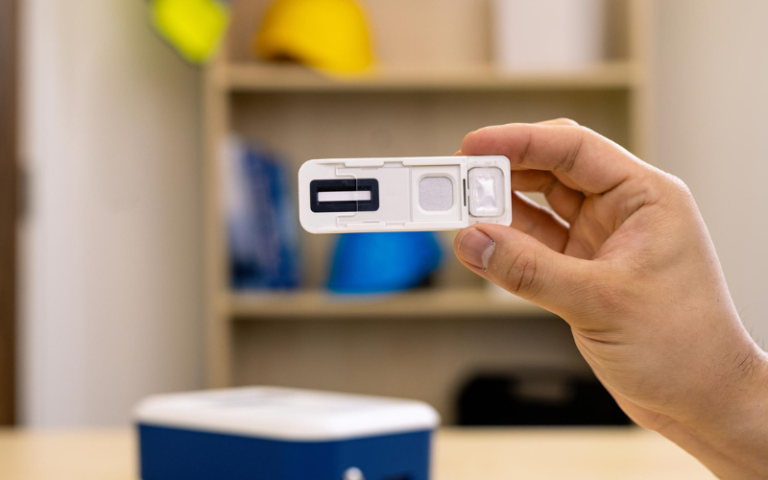
Fingerprint drug testing cartridge

Is workplace drug testing worth it? A fair question. Most organisations weigh the cost of testing against zero: the price of the kits versus doing nothing at all. Counted that way, testing will always look like an expense to contain. But that sum measures only one side of the ledger. It ignores what a well-run…

Boat in port

Few workplaces concentrate risk as much as a port does. Heavy-lifting equipment, moving vehicles, vessels, and shared quaysides often operate around the clock. In that environment, impairment matters. A single lapse can put an entire quayside at risk. A strong drug and alcohol policy is one of the clearest ways to manage that risk, and…

Workplace Drug Testing for Remote Sites and Round-the-Clock Operations

If you run remote sites or round-the-clock operations, you face one of the toughest testing challenges there is: applying the same standard everywhere, at any hour, without a lab or a clinic in reach. The method that works best is one that travels well, can be run on-site by your own trained personnel, returns a…

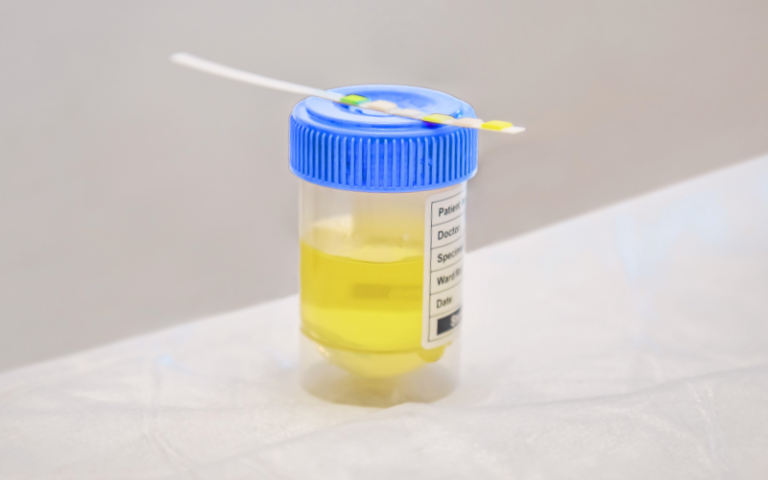
How Long Does a Urine Drug Test Take And Why the Wait Matters at Work

In an ideal situation, a urine drug test is quick. A donor provides a sample, an on-site screen gives a result in minutes, and everyone gets on with their day. The problem is that an ideal situation almost never exists on a real worksite. The time it takes for a urine test is rarely determined…

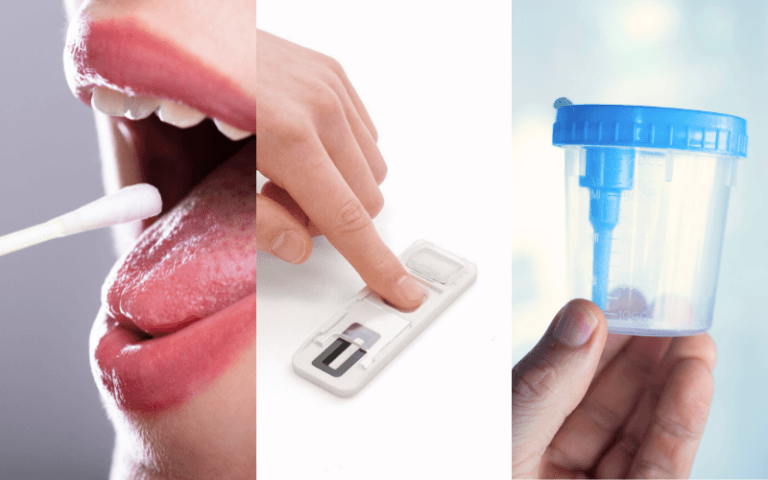
Comparing drug testing methods

Not all drug testing methods are the same. Whether the priority is privacy, convenience, speed, or accuracy, it is important to understand the differences between the options available. This article compares the 3 most common workplace drug testing methods: fingerprint drug screening, oral fluid (saliva) testing, and urine testing. It examines each approach across the…
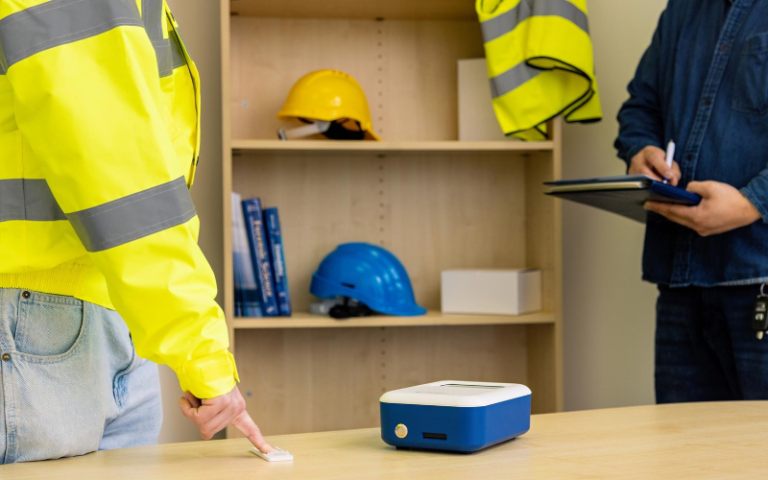
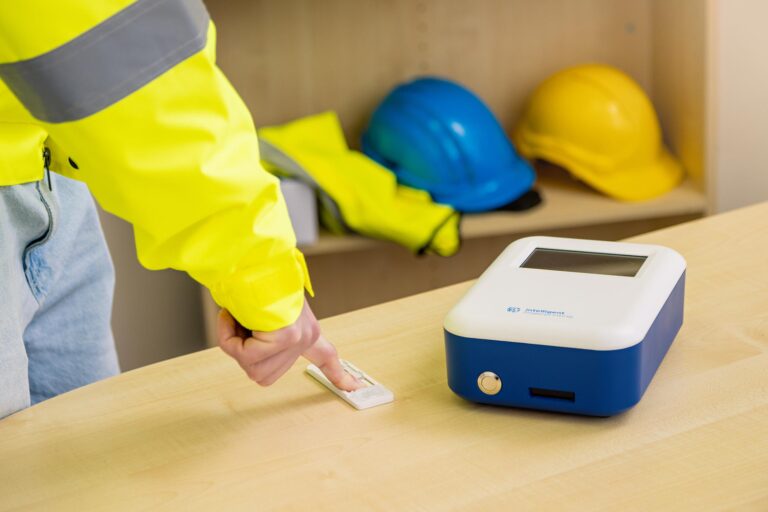
In-House Drug Testing

Many workplaces start with outsourced drug testing. It is easy. A provider sends a collector to the site, or staff travel to a clinic, and an objective third party processes the results. It works, but that convenience comes at a cost. At some point, many operations managers ask the same question. “Should we bring this…

2026 Workplace Fatality Figures

Every summer, the Health and Safety Executive publishes its provisional count of work-related deaths in Great Britain. Read in context, the 2025/26 data clearly outlines where serious harm happens, how much that has changed, and where progress has been slower. The provisional data records 126 workers killed in work-related incidents across Great Britain in 2025/26….

Fingerprint Drug Testing Demonstration Video

See how the Intelligent Fingerprinting Drug Screening System works in this full product demo, led by Kieran from Intelligent Fingerprinting. The demo walks through the complete fingerprint drug testing process, from sample collection through to on-site analysis using the Drug Screening Reader. Unlike traditional workplace drug testing methods that require urine or saliva samples, the…

How Employers Can Reduce Non-Negative Drug Test Results: A Practical Employer Guide

By the time a non-negative test result appears during a workplace drug test, the organisation has already been exposed to some level of risk. In safety-critical environments, that risk can affect employees’ lives, operations, and the wider public. Drug testing is not just about detection. It is about prevention. The best way to prevent a…

Subscribe to Receive the Latest Drug Testing News

Stay informed with the latest insights on workplace drug testing, emerging drug trends, and developments in drug screening technology.