News & Resources
In a busy port environment, workplace drug testing is vital for protecting people. At the Port of Blyth in Northumberland, where heavy plant, vessels, and a workforce of hundreds operate side by side every day, safety sits at the centre of every decision. To support that commitment, the Port of Blyth has adopted fingerprint drug…
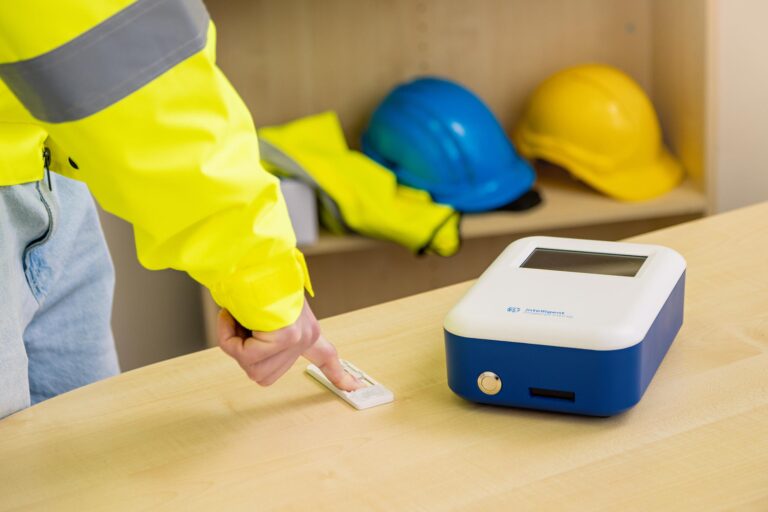
See how the Intelligent Fingerprinting Drug Screening System works in this full product demo, led by Kieran from Intelligent Fingerprinting. The demo walks through the complete fingerprint drug testing process, from sample collection through to on-site analysis using the Drug Screening Reader. Unlike traditional workplace drug testing methods that require urine or saliva samples, the…
By the time a non-negative test result appears during a workplace drug test, the organisation has already been exposed to some level of risk. In safety-critical environments, that risk can affect employees’ lives, operations, and the wider public. Drug testing is not just about detection. It is about prevention. The best way to prevent a…
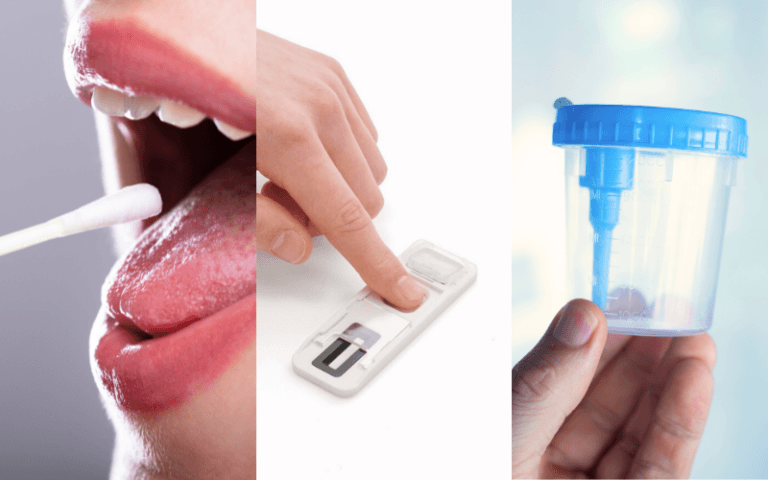
How does the body absorb, metabolise, and excrete drugs? How can drugs be detected through sweat? How does fingerprint drug testing work, and how does it compare with traditional urine and saliva testing? How does the science behind fingerprint drug testing work? This practical science-led webinar explains the biological and technical principles behind fingerprint drug testing, giving organisations a…
Introducing or expanding a workplace drug testing programme often creates a predictable challenge: employee pushback. Many organisations treat this as resistance. In reality, pushback often signals a communication issue. Employees may not understand why testing is being introduced, how the process works, who it applies to, or how their results will be handled. In safety-critical…
Many employers incorrectly refer to a non-negative drug screening result as a confirmed positive. Understanding this distinction is essential for making fair and legally defensible decisions in workplace drug testing. A non-negative result often occurs during routine drug screening at work, particularly in safety-critical environments such as construction sites, manufacturing floors, or on the road,…
In workplace drug screening, what many employers call a “positive drug test” is actually a “non-negative screening result”. Only a laboratory can confirm a positive or negative result. Regardless of what we call it, a non-negative drug screening result is one of the most stressful moments in a shift. Employers must manage immediate pressures, including…
This guide provides a high-level overview of using the Confirmatory Analysis Kit, but it does not replace official Intelligent Fingerprinting training, the product instructions for use, or your organisation’s drug and alcohol policy. Proper training helps ensure that samples are collected, documented, packaged, and sent correctly. It also supports a clear chain of custody from…
Introducing or updating a workplace drug testing programme requires clear communication with employees. This free resource pack provides organisations with materials to explain why testing is done, what employees can expect, and how drug screening supports workplace safety. The pack includes posters, employee guidance, and management support materials. These can be printed, displayed on site,…
In prison, workplace drug testing is a critical part of protecting staff and the wider community. At HMP Parc, a Category B men’s private prison in South Wales, G4S has introduced fingerprint drug testing to strengthen anti-corruption measures and improve the efficiency of its drug testing programme. For G4S, the move from urine drug testing to fingerprint drug testing has helped: Increase testing capacity. Reduce operational disruption. …
Subscribe to Receive the Latest Drug Testing News
Stay informed with the latest insights on workplace drug testing, emerging drug trends, and developments in drug screening technology.