News & Resources
Does workplace drug testing affect staff retention? It can. An intrusive, heavy-handed approach to drug testing at work can quietly push good employees towards the door. People do not forget an experience that felt invasive or accusatory, and for a skilled worker with options, that is one more reason to look elsewhere. This article looks…
Do contracts require a drug and alcohol policy? Increasingly, the answer is yes. For a few sectors it is a legal requirement; for many more it has become a commercial one, written into the pre-qualification questionnaires and supply-chain standards that decide who gets shortlisted. Either way, the direction of travel is the same: a documented…
Is workplace drug testing worth it? A fair question. Most organisations weigh the cost of testing against zero: the price of the kits versus doing nothing at all. Counted that way, testing will always look like an expense to contain. But that sum measures only one side of the ledger. It ignores what a well-run…
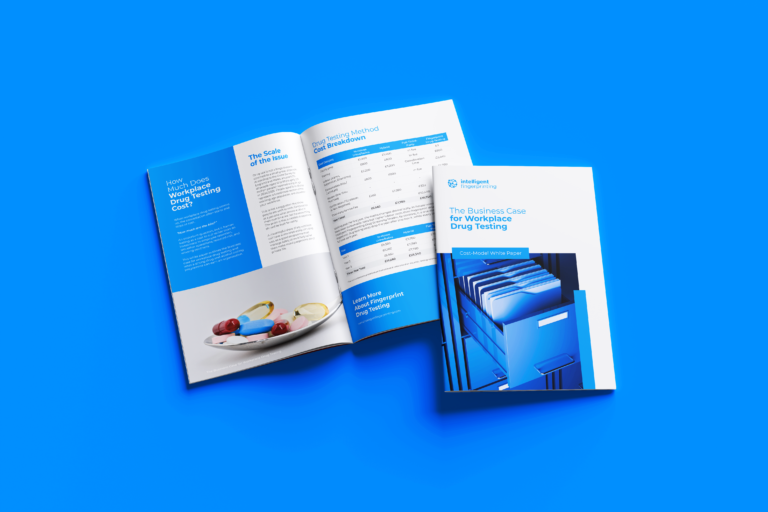
Most workplace drug testing programmes are judged on a single question: How much does it cost? This white paper asks a better question: What does testing earn? What costs does it reduce? Written for finance, safety, human resources (HR), and operations leaders, this free white paper gives you the numbers. It shifts the conversation from…
Few workplaces concentrate risk as much as a port does. Heavy-lifting equipment, moving vehicles, vessels, and shared quaysides often operate around the clock. In that environment, impairment matters. A single lapse can put an entire quayside at risk. A strong drug and alcohol policy is one of the clearest ways to manage that risk, and…
This webinar was delivered in collaboration with Port Skills & Safety and LMP Legal. Would your drug and alcohol policy hold up if a regulator or tribunal examined it? Ports are among the country’s most safety-critical workplaces, with heavy plant, constant vehicle movements, and multiple employers operating side by side. In that environment, a vague,…
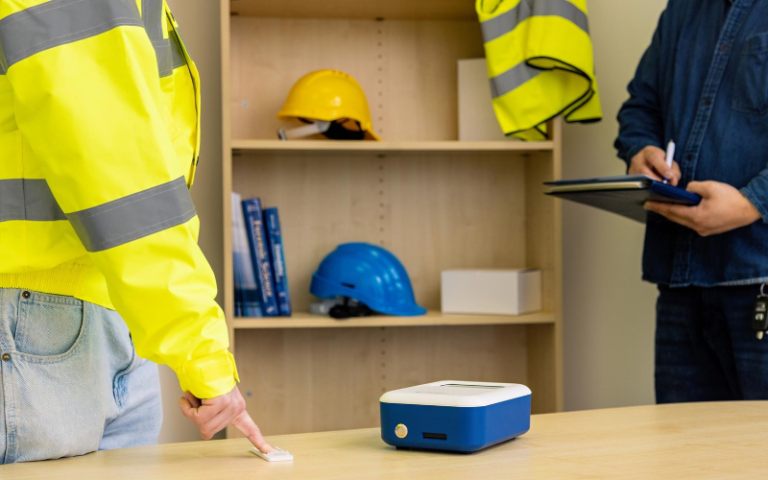
If you run remote sites or round-the-clock operations, you face one of the toughest testing challenges there is: applying the same standard everywhere, at any hour, without a lab or a clinic in reach. The method that works best is one that travels well, can be run on-site by your own trained personnel, returns a…
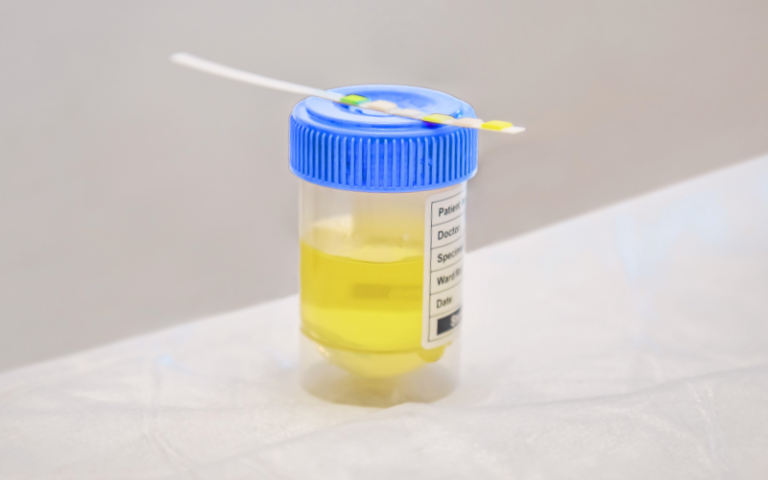
In an ideal situation, a urine drug test is quick. A donor provides a sample, an on-site screen gives a result in minutes, and everyone gets on with their day. The problem is that an ideal situation almost never exists on a real worksite. The time it takes for a urine test is rarely determined…
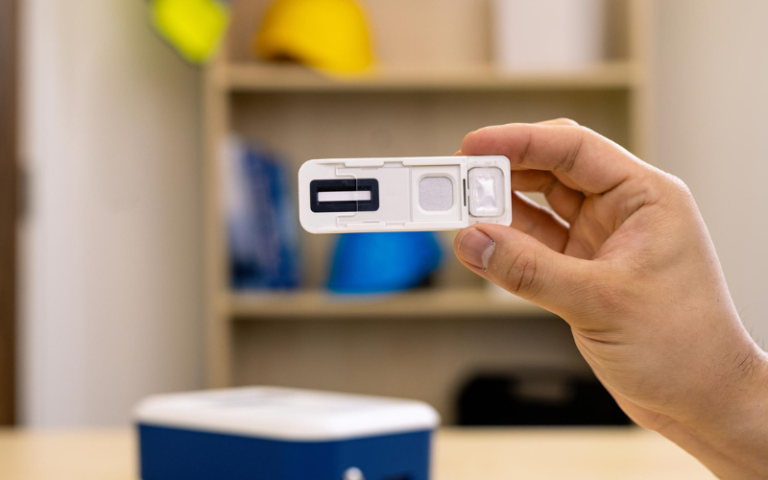
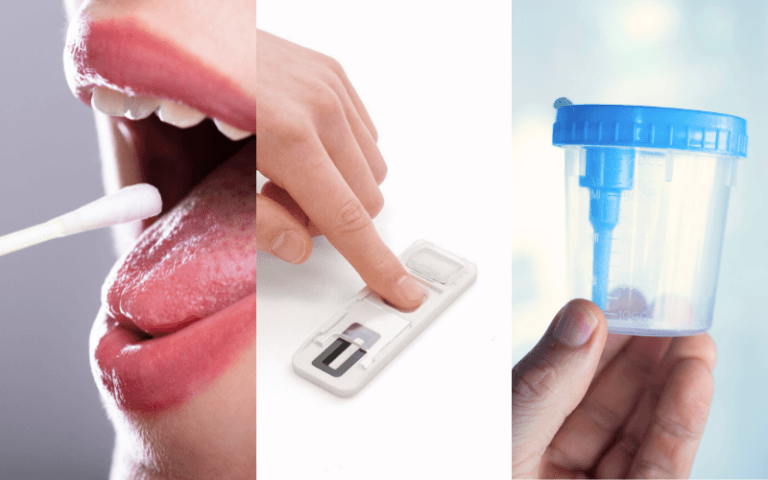
Not all drug testing methods are the same. Whether the priority is privacy, convenience, speed, or accuracy, it is important to understand the differences between the options available. This article compares the 3 most common workplace drug testing methods: fingerprint drug screening, oral fluid (saliva) testing, and urine testing. It examines each approach across the…

The food service industry runs on tight margins of time. Chefs expect fresh produce delivered on schedule every morning, which means the businesses that supply them cannot afford delays. Albion Fine Foods supplies chefs and the catering trade across London and the South East, seven days a week, which puts a large delivery fleet on…
Subscribe to Receive the Latest Drug Testing News
Stay informed with the latest insights on workplace drug testing, emerging drug trends, and developments in drug screening technology.