Originally published by Transport Operator.
Intelligent Fingerprinting has offered its perspective on the advantages of fingerprint drug testing solutions for fleet and workshop operators.
“Workplace drug testing is a critical component of any safety and compliance strategy, especially in industries where impairment can lead to serious consequences,” said the company.
“This is particularly true for HGV, PSV, and LCV fleets, as well as workshop environments, where a single error could have serious operational or legal implications.”
In many fleet and workshop scenarios, time is of the essence, says Intelligent Fingerprinting.
“Whether you’re conducting pre-shift screening for drivers or responding to a post-incident situation, waiting 24–72 hours for lab results can delay critical safety decisions and disrupt operations. Traditional methods like hair and blood testing often require lab processing, introducing delays and logistical complexity.
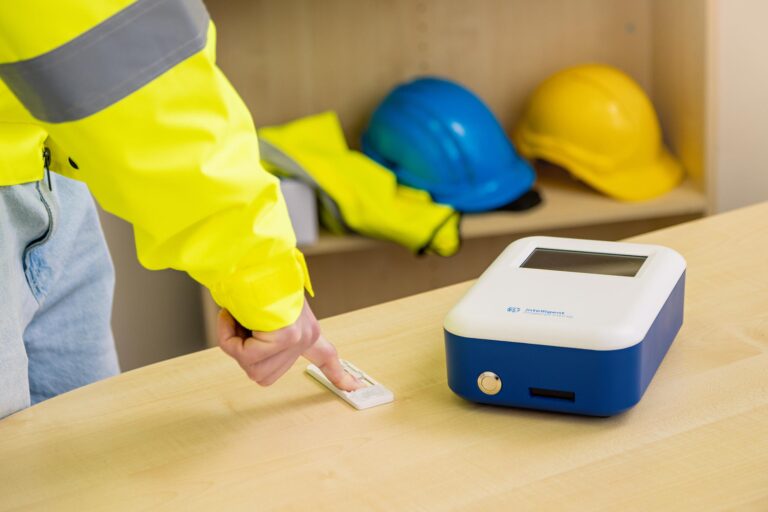
“In contrast, fingerprint drug testing delivers results in under 10 minutes, on-site, with no lab handling. This enables real-time decision-making and reduces downtime, especially for mobile teams and employees operating across multiple locations.”
The collection process can significantly impact both employee experience and operational efficiency, adds the firm.
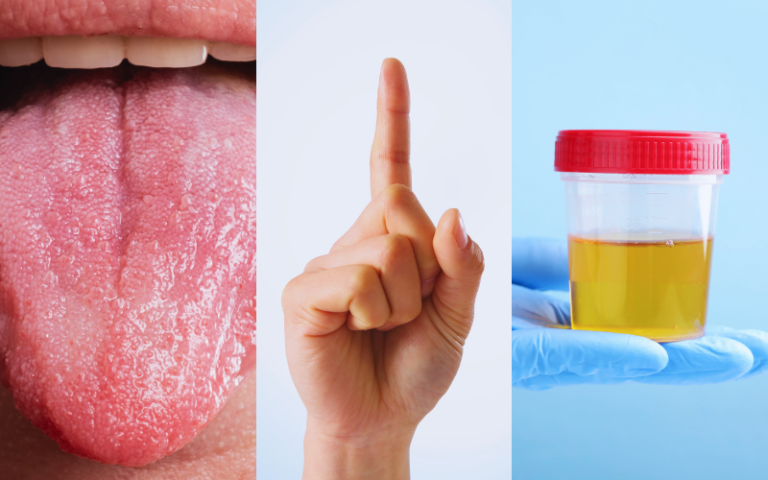
“Urine testing often requires restroom access, gender-specific observers, and secure handling of biohazardous waste. Saliva testing is less invasive but still involves bodily fluids and pre-test preparation. Blood testing is highly invasive and requires trained personnel and clinical settings.
“Fingerprint drug testing offers a clean, non-invasive alternative. Using a simple fingerprint sweat sample, it eliminates bodily fluids, restroom requirements, and discomfort, making it ideal for drivers, technicians, and workshop staff.”
Fleet operators often lack access to clinical facilities or private testing areas, it adds.
“In some situations, tests may need to be conducted away from private lavatories. Blood and urine testing are difficult to deploy in these environments due to logistical and biohazard constraints. Fingerprint drug testing is portable and can be conducted on-site, in vehicles, or across remote job sites, without specialized infrastructure.”
Another factor to consider, says Intelligent Fingerprinting, is that different methods detect drug use over varying periods.
“Hair testing shows long-term use but not same-day impairment while urine testing reflects use over several days. Fingerprint testing focuses on recent use within a few hours, providing an accurate indicator of fitness for duty, a critical factor for drivers and workshop staff operating heavy or passenger vehicles.
“Traditional methods incur hidden costs: coordinating collections, lab logistics, biohazard disposal, employee downtime, and delayed safety decisions. Fingerprint testing streamlines the process, eliminates lab handling, reduces waste, and delivers results quickly, making it cost-effective for fleets and workshop teams.”