How to Choose the Right Workplace Drug Testing Method: 6 Criteria That Matter
Workplace drug testing is a critical component of any safety and compliance strategy, especially in industries where impairment can lead to serious consequences. But with a range of testing methods available, from traditional urine and saliva tests to more modern approaches like fingerprint drug testing, how do you determine which one is right for your organisation?
It’s not just about detecting drug use. It’s about choosing a solution that aligns with your operational realities, workforce environment, and safety goals. Whether you’re screening before a shift, responding to an incident, or conducting random checks, your testing method should help you answer one key question:
Is this person fit for duty today?
That means choosing a solution that delivers timely, reliable results, ideally without disrupting workflows or compromising employee dignity.
In this guide, we’ll walk through six essential criteria to help you evaluate your options. If you’re looking for a side-by-side breakdown of the most common methods, you can also explore our comparison guide to urine, saliva, blood, hair, and fingerprint drug screening.

1. Turnaround Time
How quickly can you get results and act on them?
In many workplace scenarios, time is of the essence. Whether you’re conducting a pre-shift screening or responding to a post-incident situation, waiting 24–72 hours for lab results can delay critical decisions and disrupt operations. Traditional methods like hair and blood testing often require lab processing, which introduces delays and logistical complexity.
In contrast, fingerprint drug testing delivers results in under 10 minutes, on-site, with no need for lab handling. This enables real-time decision-making and reduces downtime, especially in fast-paced or decentralised work environments.
Why it matters: Delays in test results can lead to unnecessary work stoppages, scheduling issues, or even safety risks. A faster turnaround time means you can make informed decisions immediately.
2. Collection Experience
Is the process hygienic, dignified, and easy to administer?
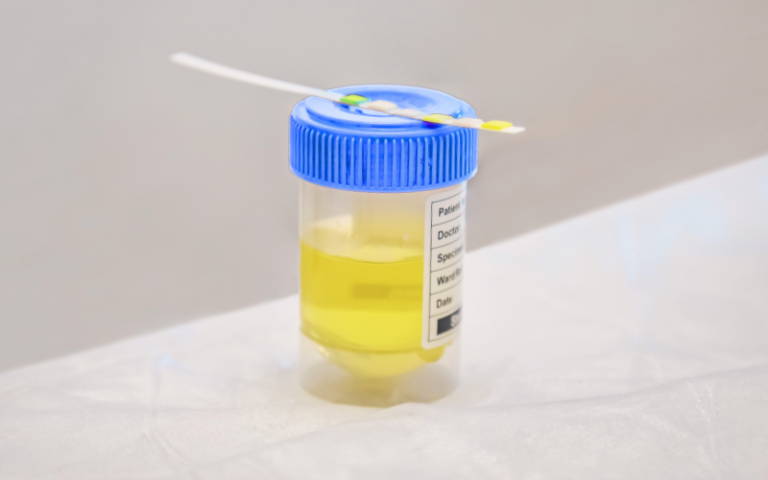
The collection process can significantly impact both employee experience and operational efficiency. Urine testing, for example, often requires restroom access, gender-specific observers, and secure handling of biohazardous waste. This can be uncomfortable for employees and awkward for staff, especially when co-workers are tasked with overseeing the process.
Saliva testing is less invasive but still involves bodily fluids and can be affected by recent food, drink, or mouthwash use. Blood testing is the most invasive, requiring trained personnel and clinical settings.
Fingerprint drug testing offers a clean, non-invasive alternative. It uses a simple fingerprint sweat sample, no bodily fluids, no restroom, and no discomfort. The process is quick, dignified, and easy to administer, even in the field.
Why it matters: A positive testing experience improves employee cooperation, reduces resistance, and minimizes the burden on your team.
3. On-Site Usability
Can the test be used in the field, on-site, or in mobile settings?
Not all workplaces have access to clinical facilities or private restrooms. In industries like construction, logistics, or utilities, testing often needs to happen on-site, in vehicles, or across multiple locations. Blood and urine testing are difficult to deploy in these environments due to their logistical and biohazard requirements.
Fingerprint drug testing is designed for portability. The compact Reader and Cartridge system can be used virtually anywhere: on-site, in vehicles, or at remote job sites, without the need for specialised infrastructure.
Why it matters: The more flexible your testing solution, the easier it is to maintain compliance and safety across your entire workforce
4. Detection Window
Can the test detect recent use and does it align with your safety goals?
Each drug testing method has a different detection window, which refers to how far back it can identify drug use. Hair testing, for example, can detect use over a 90-day period, making it useful for identifying long-term patterns. However, it won’t tell you if someone is currently impaired or recently used drugs. Urine testing can detect substances for several days or weeks, but it may not reflect same-day use. Blood and saliva tests offer shorter windows, typically from a few hours to a couple of days.
Fingerprint drug testing is designed specifically to detect recent drug use (within the past few hours) by analysing sweat from the fingertip. This makes it particularly well-suited for assessing real-time fitness for duty.
Why it matters: If your goal is to prevent impaired individuals from entering safety-critical environments, a long detection window may not help. You need a method that reflects recent use, not just historical behaviour.
5. Tamper Resistance
How easy is it to cheat or manipulate the test?
Test integrity is a major concern for employers. Urine tests are particularly vulnerable to tampering through dilution, substitution, or adulteration. Even with temperature strips and adulteration checks, determined individuals can find ways to manipulate results. Saliva tests are harder to cheat but can still be influenced by external substances. Blood and hair tests are more secure but require clinical oversight.
Fingerprint testing is inherently tamper-resistant. The sample is collected directly from the individual’s fingertip in full view, and the result is identity-linked, making it extremely difficult to falsify or manipulate.
Why it matters: If you can’t trust the result, the test loses its value. Choose a method that ensures sample integrity and traceability.
6. Operational Cost & Scalability
What are the hidden costs? Time, waste, staff discomfort, delays?
While some testing methods may appear cost-effective on paper, they often introduce hidden costs. These can include time spent coordinating collections, managing lab logistics, handling biohazard waste, and dealing with employee resistance. There’s also the cost of delayed results, especially when safety decisions are on hold.
Fingerprint testing reduces many of these burdens. It eliminates the need for lab processing, cuts down on waste, and streamlines the entire workflow: from collection to result.
Why it matters: Look beyond the price per test. Consider the total cost of ownership, including time, labour, and operational disruption.
Final Thoughts
Choosing the right workplace drug testing method isn’t just a compliance decision. It’s a strategic one. The method you choose affects how quickly you can act, how your employees respond, and how effectively you can maintain a safe and productive environment.
By evaluating your options against these six criteria, you can select a solution that meets your organisation’s real-world needs.
See the Difference in Action
Want to see how fingerprint drug testing works in real-world settings? Contact the Intelligent Fingerprinting team to learn more.