Keepmoat Homes, one of the UK’s top 10 builders of high-quality homes, has started to use fingerprint drug testing across its 100 UK construction sites. The Intelligent Fingerprinting test analyses fingerprint sweat to detect drug use, and will be used by Keepmoat Homes’ Health and Safety Business Partners to manage risk in the area of safety-critical plant operations.
Keepmoat Homes will test its building site plant operators – both employees and contractors – who operate safetycritical machinery on the company’s building sites, including cranes, diggers, dumpers, and telehandlers. It takes less than a minute to collect fingerprint sweat samples onto the Intelligent Fingerprinting Drug Screening Cartridge ready for testing. Results are delivered on site in around ten minutes using the portable Reader.
Keepmoat was particularly impressed by the Intelligent Fingerprinting system’s shorter window of detection that – at around 16 hours – provides a quick and dignified way of identifying potential drug misuse in the period immediately prior to the test. A positive result indicates recent drug use, and therefore suggests a greater risk of impairment at the time of test. This approach aligns with TUC guidance on drug testing in the workplace.

Nick Martens, Health, Safety and Sustainability Director at Keepmoat Homes says:
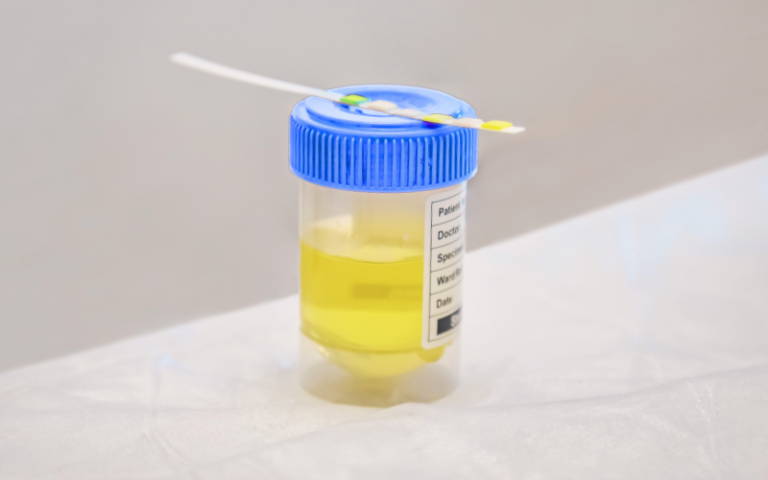
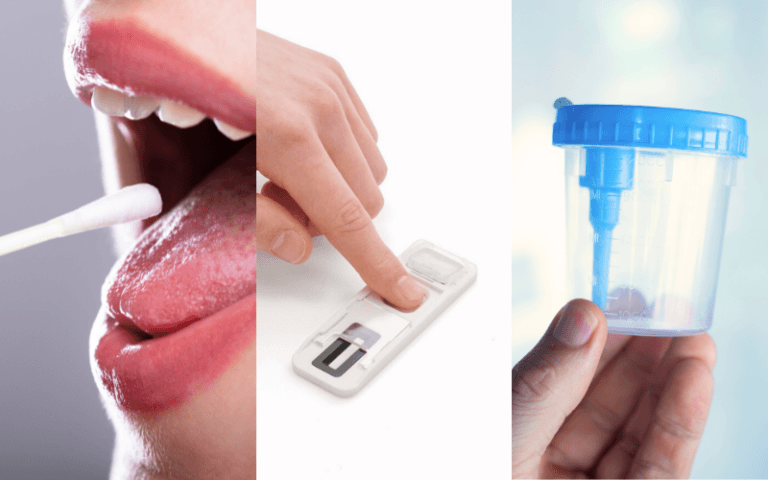
“After looking at all the different drug test approaches available, we felt that the Intelligent Fingerprinting method proved itself as a stand-out technology. Compared with urine and saliva tests, the fingerprint drug testing method is non-invasive, easy-to-use, rapid and accurate. The decision to adopt fingerprint-based testing was an easy decision for the Keepmoat Homes ‘Executive HSS Committee’. We can collect the samples ourselves and manage the entire process in-house, testing at planned intervals and for cause.
We have equipped each of our nine Health and Safety Business Partners who support our regional businesses and cover all of our UK sites, with an Intelligent Fingerprinting Reader and supply of test Cartridges. They have been trained to use the fingerprint testing approach, so that Keepmoat Homes retains full control over the end-to-end drug testing process. As a result, they will be able to reach any of our 100 UK sites quickly, should a test be required. Due to the system’s portability, samples can be taken from our workers on-site, so there’s no need to lose working hours. We can take a sample very quickly with minimal interruption.
We are also impressed by the robustness of the process. In comparison to urine tests, for example – where facilities need to be provided and monitored to prevent sample tampering – the fingerprint test requires no special preparations. Our regional team of Health and Safety Business Partners don’t need to be medically-trained to carry out the process. We see the fingerprint testing process as transparent. Our employees and sub-contractors need to be able to see and discuss their results there and then with the Health and Safety Business Partner conducting the test. We are really looking forward to putting the fingerprint testing approach to work.”
For the full case study, please click here.