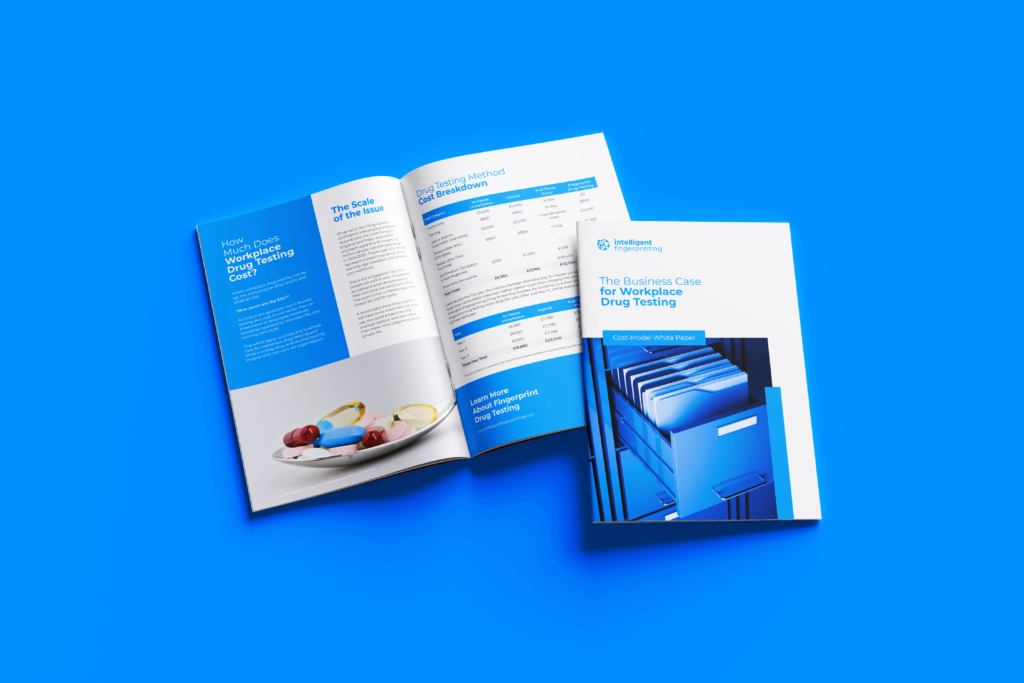
Most workplace drug testing programmes are judged on a single question:
How much does it cost?
This white paper asks a better question:
What does testing earn? What costs does it reduce?
Written for finance, safety, human resources (HR), and operations leaders, this free white paper gives you the numbers. It shifts the conversation from the price of a kit to the total cost and return of running a programme, so you can present testing as an investment rather than a line to cut.
In this white paper, you will learn:
- How a documented policy and a demonstrable testing capability win work in safety-critical procurement, where they are increasingly treated as baseline requirements for being shortlisted
- How a dignified, non-invasive method protects the skilled people you have already paid to recruit and train, at a time when replacing them is slow and expensive
- Why the hidden cost of testing is operational time rather than the kit, and how the right method returns those hours to the job
- What a defensible programme protects you from, including turnover-based fines that can reach into the millions
- How the main testing models, in-house urine or saliva, hybrid, full third-party, and fingerprint drug testing, compare on total cost, in year one and over three years
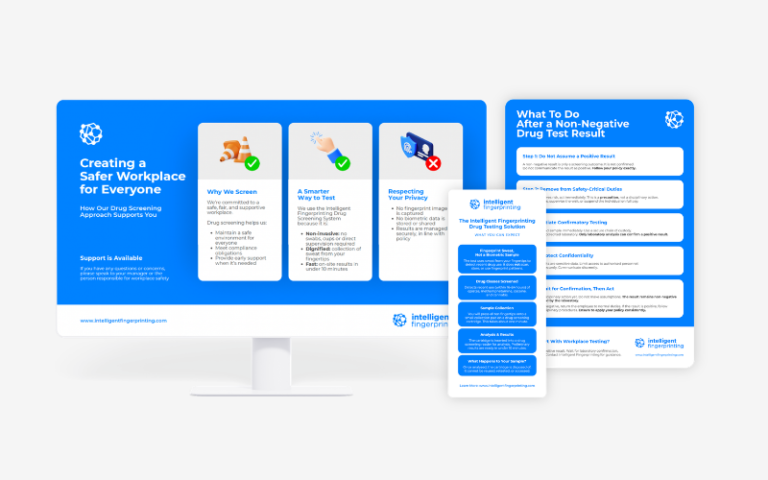
- Why an on-site screen produces a non-negative result rather than a confirmed positive, and what that means for fair and defensible decisions
Come away able to make the commercial case for testing with confidence: an investment that wins work, keeps good people, recovers time, and caps risk.