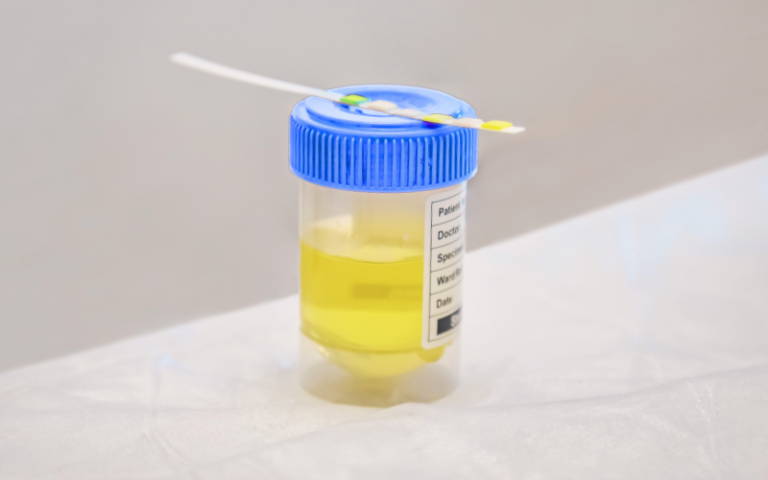
The concept of a “window of detection” refers to the period during which drug use can be detected by a particular testing method. This window varies significantly among methods – urine, blood, hair, saliva, and fingerprints each offer different detection timelines due to the varying persistence of drug metabolites in these samples. While urine and hair tests can detect drug use over extended periods, fingerprint-based tests focus on identifying the presence of parent drugs and their immediate metabolites in sweat, offering a more immediate assessment of drug use.
Fingerprint-based drug testing stands out for its ability to provide quick and dignified insights into recent drug use. Unlike urine tests, which can detect drug metabolites up to four days post-consumption, fingerprint tests specialise in identifying active drug presence. This specificity helps employers ascertain an employee’s fitness for duty at the time of the test, aligning with the Trade Union Congress’s (TUC) guidance and fulfilling employers’ Health and Safety at Work obligations.
The shorter window of detection with fingerprint-based testing not only aids in accurately identifying recent drug use but also upholds legal and ethical standards concerning employee privacy. This approach minimises the risk of penalising employees for off-duty activities that do not impact their work performance, thereby fostering a fair and respectful testing environment.
To find out more about the benefits of fingerprint drug screening please either schedule a no obligation online demo with one of our team to see the system in action, read through our case studies to see how the system has helped others in your industry, or contact us directly if you have any further questions.
Enhance Your Workplace Drug Testing ProgrammeContact us to schedule a demo and see how fingerprint drug testing can enhance your workplace drug testing programme. |